
Location/Map
Retta Slavik Chandler Complex
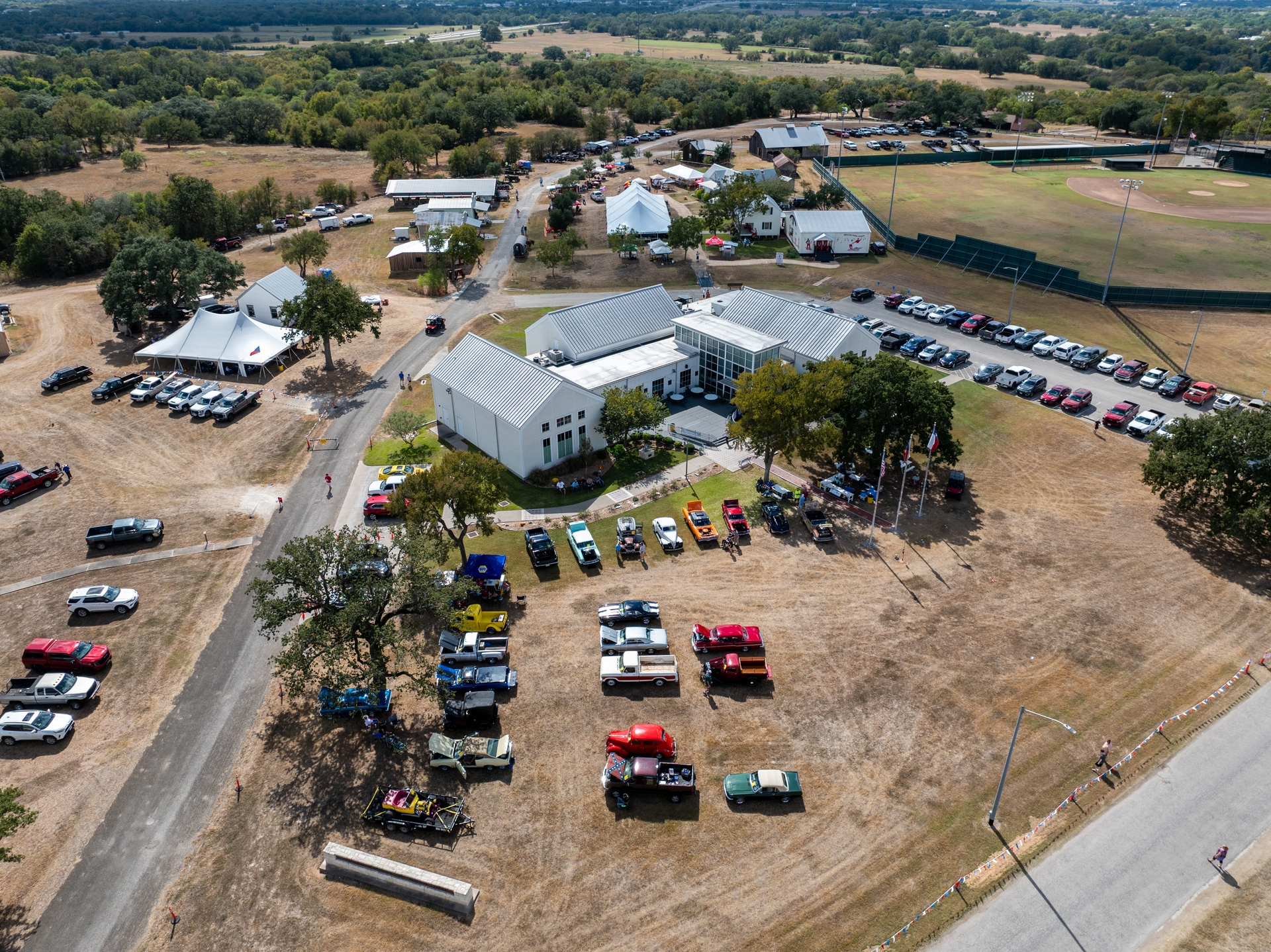
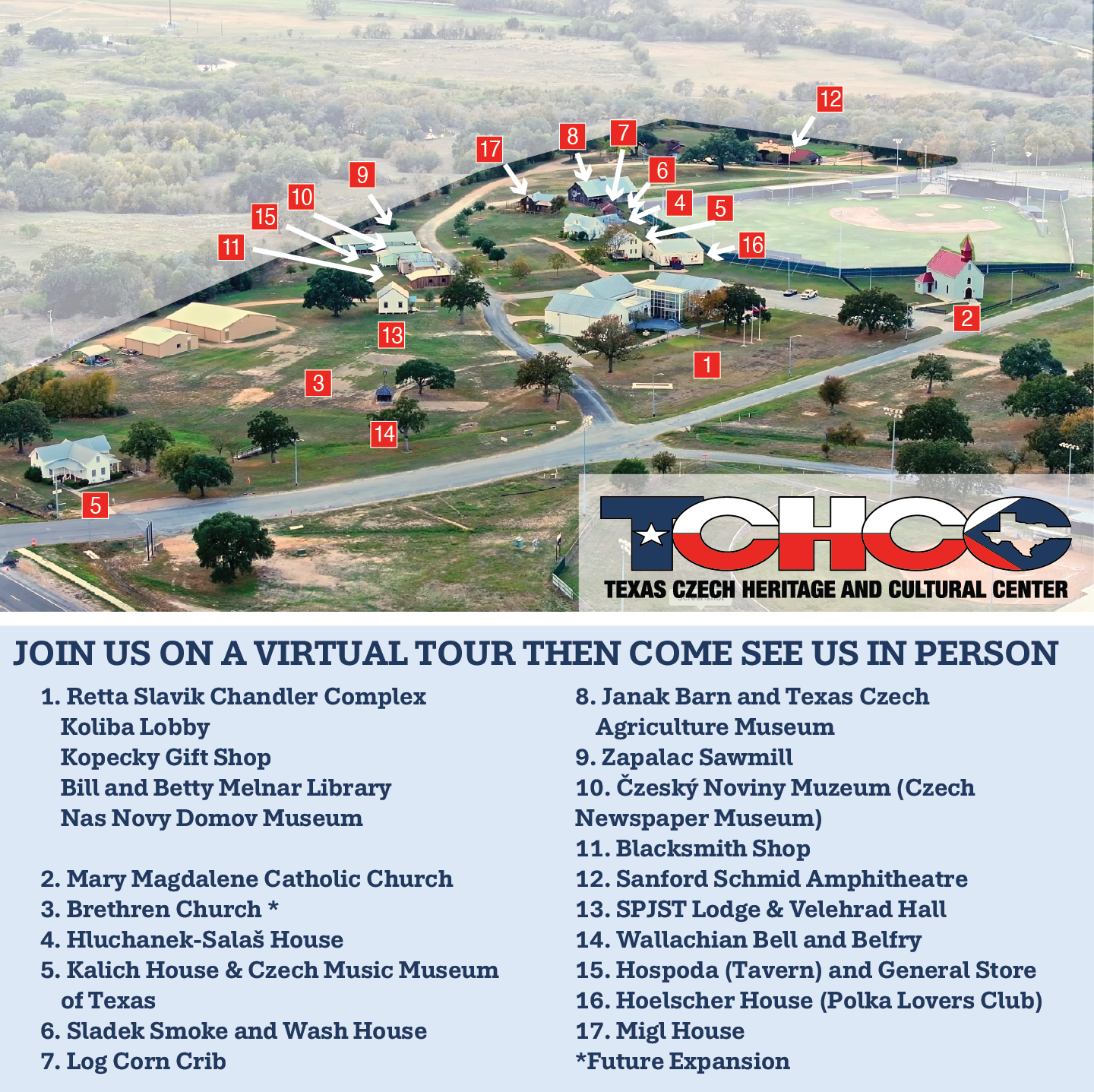
Step into the heart of Texas Czech heritage at the Retta Slavik Chandler Complex, a vibrant hub that celebrates the enduring spirit and culture of Czech Texans. Designed with inspiration from traditional Czech farmhouses and meeting halls, this complex invites visitors to explore the legacy of early settlers who shaped the region.
From the striking glass entrance symbolizing a beacon of hope to the beautifully crafted Koliba Lobby featuring stained glass windows by renowned Czech artist John Kebrle, every corner reflects a blend of history and artistry. The complex hosts Hanslik Hall, a spacious venue where cultural events and celebrations bring Czech traditions to life, and the Kopecky Gift Shop, where authentic crafts and keepsakes offer a tangible connection to the past.
Also located within the complex is the Nas Novy Domov Museum, which tells the story of Czech immigrants’ journey and assimilation in Texas through artifacts and exhibits that reflect their resilience and cultural pride.
Visitors can also discover the Bill and Betty Melnar Library, a treasure trove of genealogical and historical resources that illuminate the immigrant experience. Whether you’re here to learn, celebrate, or simply soak in the atmosphere, the Retta Slavik Chandler Complex offers a welcoming journey into the heart of Czech-Texan heritage.
Mary Magdalene Catholic Church
The Mary Magdalene Catholic Church stands as a serene testament to the faith and resilience of Czech immigrants who made Texas their home. Modeled after the village chapel of Mniší in the Czech Republic, this beautifully crafted chapel honors the spiritual traditions carried across the ocean by early settlers.
Visitors are drawn to the exquisite altars, handcrafted by Czech artisans, which showcase traditional designs from the early 1900s. The chapel not only serves as a place of worship but also as a cultural landmark that preserves the deep-rooted religious heritage of the community.
Experience the peaceful ambiance and intricate craftsmanship that reflect a rich history of devotion and community spirit. The Mary Magdalene Catholic Church invites you to connect with the enduring legacy of faith that has sustained generations of Czech Texans.
Brethren Church
Discover the humble yet profound heritage of Czech Protestant settlers at the Brethren Church. Reflecting the simplicity and devotion of the Brethren tradition, this church embodies the values of faith, community, and cultural preservation.
Inside, you’ll find carefully maintained Czech hymnals and Bibles, symbols of a language and religious practice preserved through generations. The church stands as a living monument to the teachings of Jan Hus, a key figure in Czech religious reform, whose influence continues to inspire the community’s worship and values.
Visitors to the Brethren Church can appreciate its unadorned beauty and the powerful story of spiritual resilience that it represents. It is a place where history, faith, and culture intertwine, offering a unique window into the lives of Czech immigrants in Texas.
Hluchanek-Salaš House
Step back in time at the Hluchanek-Salaš House, a beautifully restored home that reveals the daily life of a middle-class Czech-Texan farm family from the late 19th century. This distinctive dogtrot-style house, with its clever design for natural ventilation, offers a fascinating glimpse into pioneer ingenuity and family life.
Inside, the warmth of the parlor, the practicality of the kitchen with its wood-burning stove, and the bilingual schoolbooks in the children’s room tell stories of faith, education, and cultural preservation. The house is filled with authentic heirlooms that connect visitors to the personal histories of Czech settlers who balanced tradition with adaptation.
The Hluchanek-Salaš House invites you to explore the rhythms of rural life and the enduring spirit of a community that built a new home while honoring its roots.
Kalich House & Czech Music Museum of Texas
Celebrate the rich musical heritage of Czech Texans at the Kalich House and Czech Music Museum. This historic farmhouse, dating back to the 1890s, was lovingly restored and transformed into a museum that showcases four vibrant genres of Czech music: Classical, Spiritual/Liturgical, Folk, and Polka/Czech Brass.
Explore rooms filled with instruments, costumes, and memorabilia that tell the story of music as a vital thread in the cultural fabric of Czech-Texan life. The museum offers a sensory journey through sound and tradition, highlighting how music has been a source of joy, identity, and community connection for generations.
Whether you’re a music lover or curious about cultural history, the Kalich House invites you to experience the melodies that have shaped a proud heritage.
Sladek Smoke and Wash House
Funded by the Sladek family, this site offers visitors a glimpse into the resourcefulness and hard work that characterized immigrant life in Texas. The simple yet effective design of these structures reflects the settlers’ deep understanding of their environment and their commitment to self-sufficiency.
Visitors can explore traditional smoke racks, wash basins, and other period-appropriate tools that bring to life the rhythms of daily chores and survival. This site is a testament to the resilience and adaptability of the Czech community as they forged a new life far from their homeland.
Log Corn Crib
The Log Corn Crib stands as a remarkable example of traditional Czech craftsmanship adapted to Texas farm life. Built around 1904, this double log corn crib features a dogtrot design with hand-hewn logs joined by saddle notching, showcasing the settlers’ skilled woodworking techniques.
The central passageway allowed for efficient loading and unloading of wagons, while the crib itself provided secure storage for corn and other crops, protecting them from pests and weather. This structure was essential for maintaining food supplies and supporting the agricultural economy of Czech immigrant families.
Donated and restored by community members, the corn crib invites visitors to appreciate the blend of practicality and artistry that defined early Texas farming. It stands as a tribute to the hard work and ingenuity that helped Czech settlers thrive in their new environment.
Janak Barn and Texas Czech Agriculture Museum
Step inside the Janak Barn, a faithful replica of an early 1900s barn that symbolizes the productivity and prosperity of Texas-Czech farm families. Dedicated in 2014, this barn houses the Texas Czech Agriculture Museum, which offers engaging exhibits on early farming practices and the central role barns played in rural life.
The barn was the hub of farm activity—used for storing crops, sheltering livestock, and hosting community gatherings. The museum’s displays highlight the tools, techniques, and traditions that Czech immigrants brought with them, illustrating how they adapted to Texas soil and climate while preserving their agricultural heritage.
Visitors can explore interactive exhibits that reveal the daily rhythms of farm life and the innovations that helped families prosper. The Janak Barn stands as a living tribute to the determination and skill of Czech Texans who shaped the agricultural landscape of the region.
Zapalac Sawmill
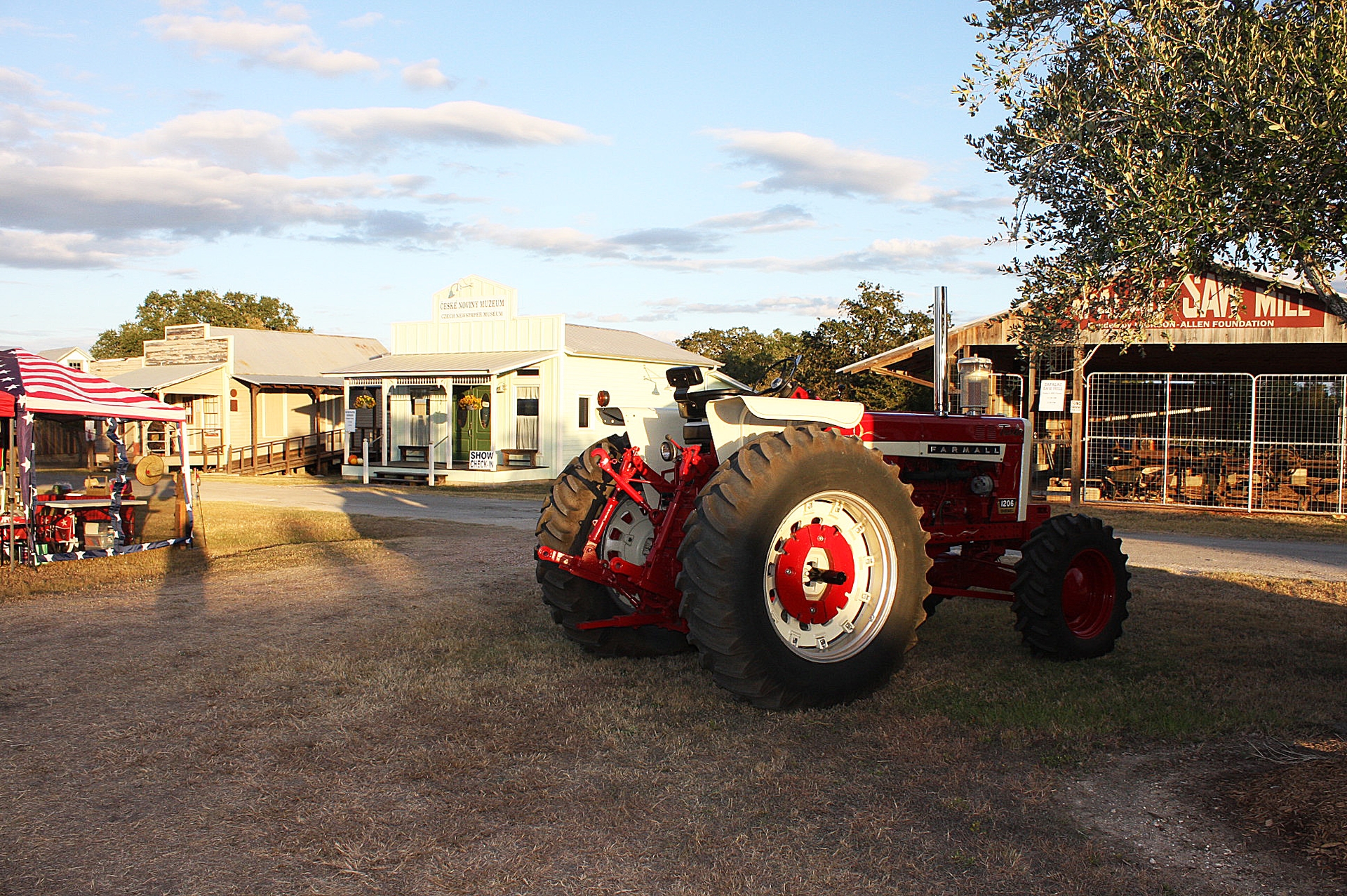
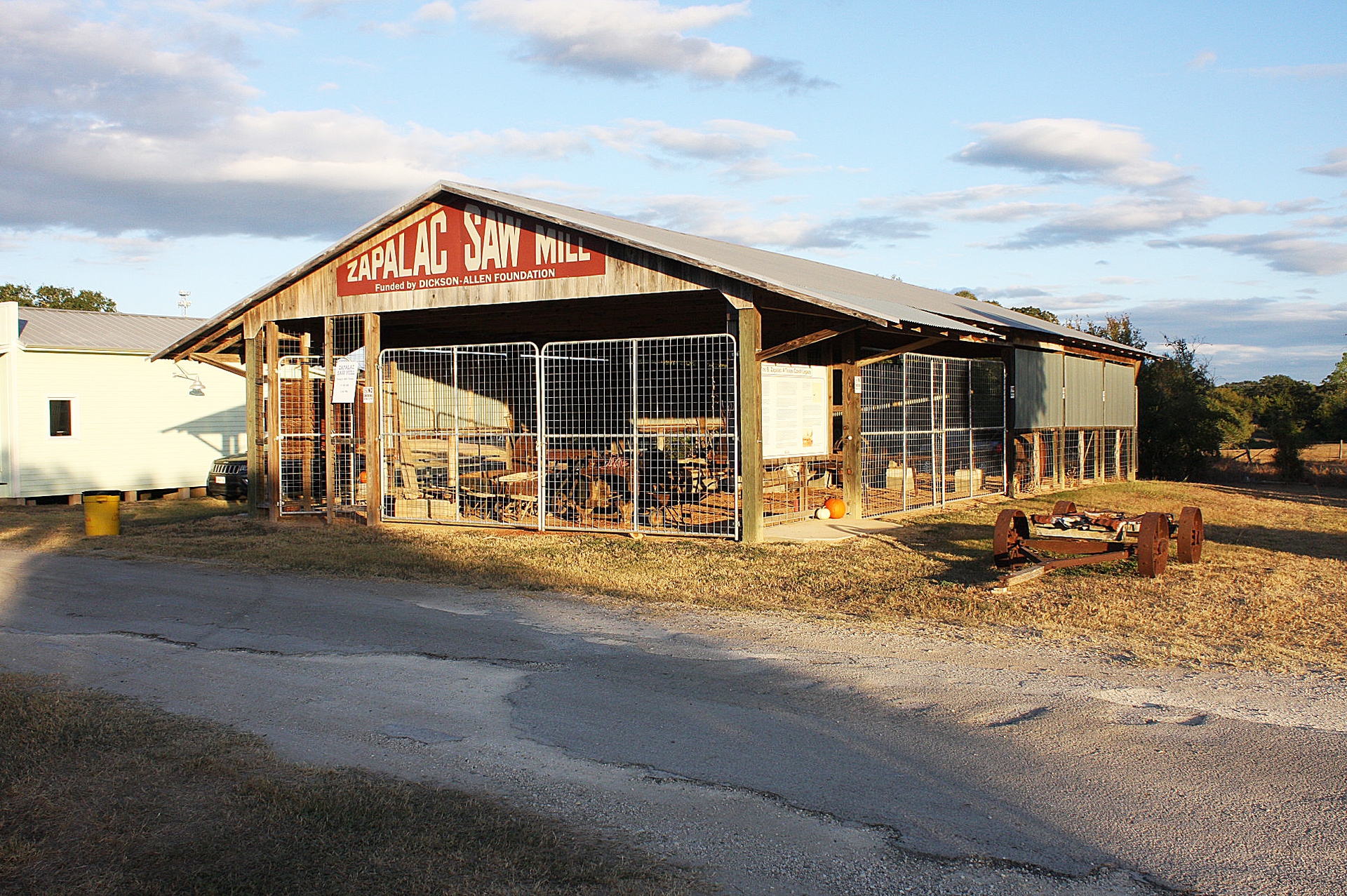
Owned by the Zapalac family since 1895, this sawmill represents the industrious spirit and entrepreneurial drive of Czech Texans. Carefully restored and relocated to the Heritage Center, the sawmill operates during festivals and tours, providing a dynamic glimpse into early industrial life.
The sawmill was crucial for processing timber used in building homes, barns, and community structures, fueling the growth of Czech settlements. Powered by a Fairbanks-Morse engine, the mill’s machinery is a fascinating example of period technology, and visitors can witness demonstrations that bring history to life.
This site honors the legacy of the Zapalac family and the broader Czech community’s contributions to Texas industry and infrastructure. It’s a vivid reminder of how craftsmanship and innovation helped immigrant families build lasting communities.
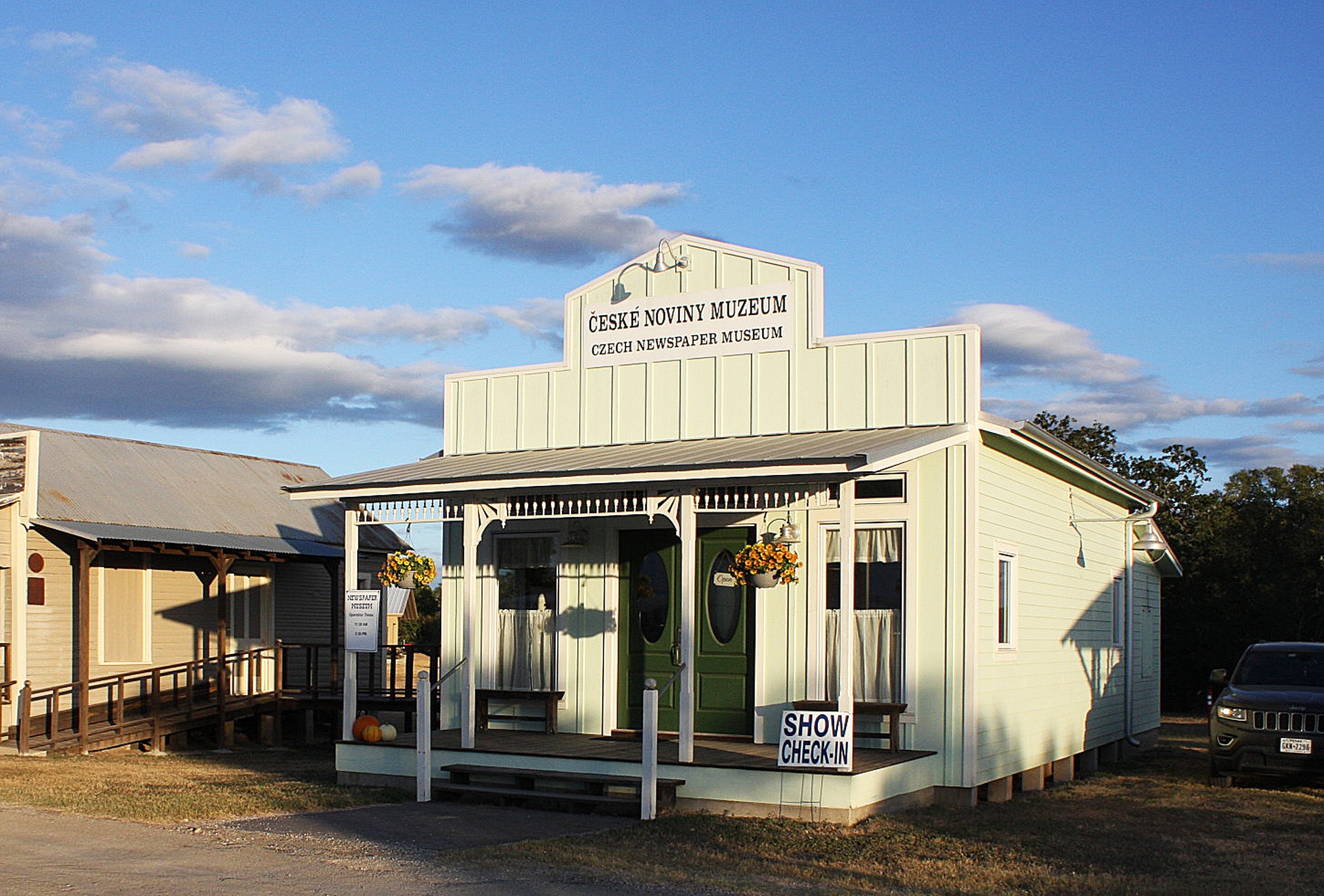
Čzeský Noviny Muzeum (Czech Newspaper Museum)
The Czech Newspaper Museum offers a captivating look at the role of print media in preserving Czech culture and language in Texas. Centered around the restored 1908 Kluge printing press, this museum showcases how Czech-language newspapers connected immigrant communities and kept traditions alive.
What makes this press unique is its original belt-driven diesel motor, visible through a window, a rarity since most presses were converted to electric power. The press was originally commissioned in Fayette County and, despite moving locations, has remained a symbol of the region’s Czech heritage.
Visitors can explore historic newspapers, printing demonstrations, and interactive exhibits that highlight the importance of the press in cultural preservation. The museum is a tribute to the power of the written word in sustaining identity and community across generations.
Blacksmith Shop
Step into the world of traditional craftsmanship at the Blacksmith Shop, where the essential trade of blacksmithing supported the growth and sustainability of Czech-Texan communities. Blacksmiths were the backbone of early settlements, forging tools, horseshoes, and decorative ironwork that were indispensable for farming, construction, and daily life.
The shop features authentic tools and equipment that illustrate the skill and labor involved in this vital craft. Visitors can envision the sparks flying from the forge as blacksmiths shaped metal to meet the needs of their neighbors, blending practicality with artistry.
This space honors the ingenuity and hard work of Czech settlers who relied on these trades to build and maintain their communities. The Blacksmith Shop is a tribute to the craftsmanship and spirit that helped lay the foundations of Texas Czech heritage.
Sanford Schmid Amphitheatre
Perched on a scenic hillside overlooking the Colorado River Valley, the Sanford Schmid Amphitheatre is a vibrant cultural venue that brings the Texas Czech community together through music, theater, and celebration. Built in 2000 with generous support from donors, this open-air amphitheatre blends traditional Texas Czech architectural elements with modern amenities.
The venue hosts a variety of events, including polka dances, cultural festivals, and theatrical performances, making it a lively hub for preserving and sharing Czech heritage. Visitors can enjoy stunning panoramic views while experiencing the joyous sounds and stories of the community.
A charming detail is the phrase “Muziky, Muziky” (“Music, Music”) adorning the stage, reflecting the central role music plays in Czech culture. The amphitheatre is not just a performance space—it’s a gathering place where tradition and community spirit come alive.
SPJST Lodge & Velehrad Hall
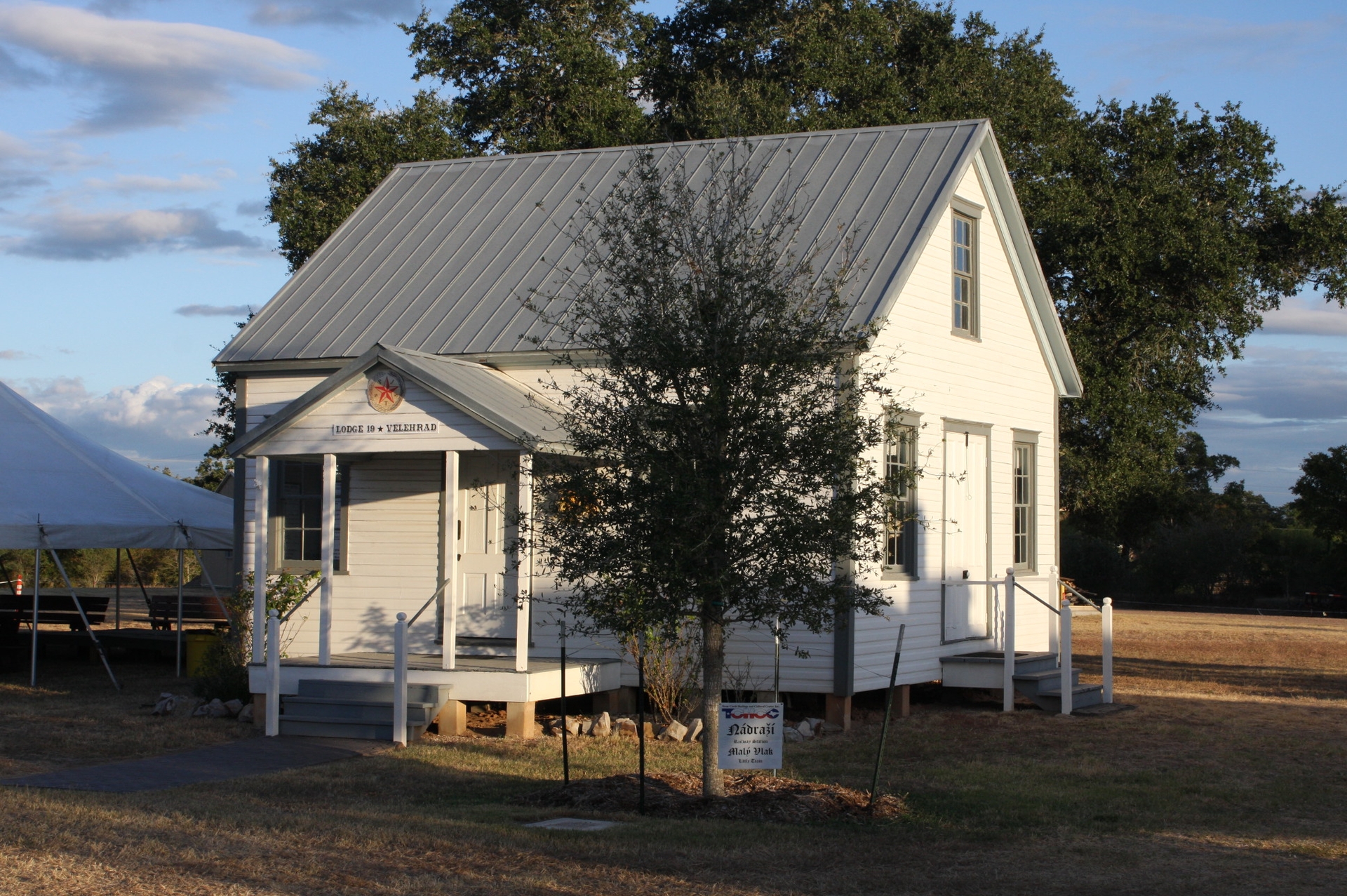
The SPJST Lodge & Velehrad Hall stands as a cornerstone of social and cultural life for Czech Texans. This historic lodge has long been a place where community members gather to celebrate heritage through dances, meetings, and special events.
The building’s architecture reflects a blend of Czech tradition and Texas influence, creating a welcoming space filled with warmth and history. Inside, visitors find spaces designed for fellowship and festivity, where the sounds of polka and traditional music often fill the air.
The SPJST organization itself is one of the oldest Czech fraternal groups in Texas, dedicated to mutual aid and cultural preservation. Visiting the lodge offers a glimpse into the vibrant social fabric that has helped sustain Czech identity across generations.
Wallachian Bell and Belfry
The Wallachian Bell and Belfry is a poignant symbol of remembrance and cultural connection, brought from the Czech Republic to honor Czech Texans who served in World War II. The bell, cast by master bell maker Josef Tkadlec, rings as a tribute to sacrifice and enduring friendship between Texas and the Czech lands.
The belfry’s design reflects traditional Wallachian architecture, reminiscent of structures found in the Moravian countryside. Visitors can admire the craftsmanship and the meaningful Czech inscription, “Co srdce spoji, more nerozdvoji” (“What the heart unites, the sea cannot divide”), which beautifully captures the spirit of unity.
This site serves as both a memorial and a celebration of shared heritage, inviting reflection on the bonds that transcend geography and time.
Hospoda (Tavern) and General Store
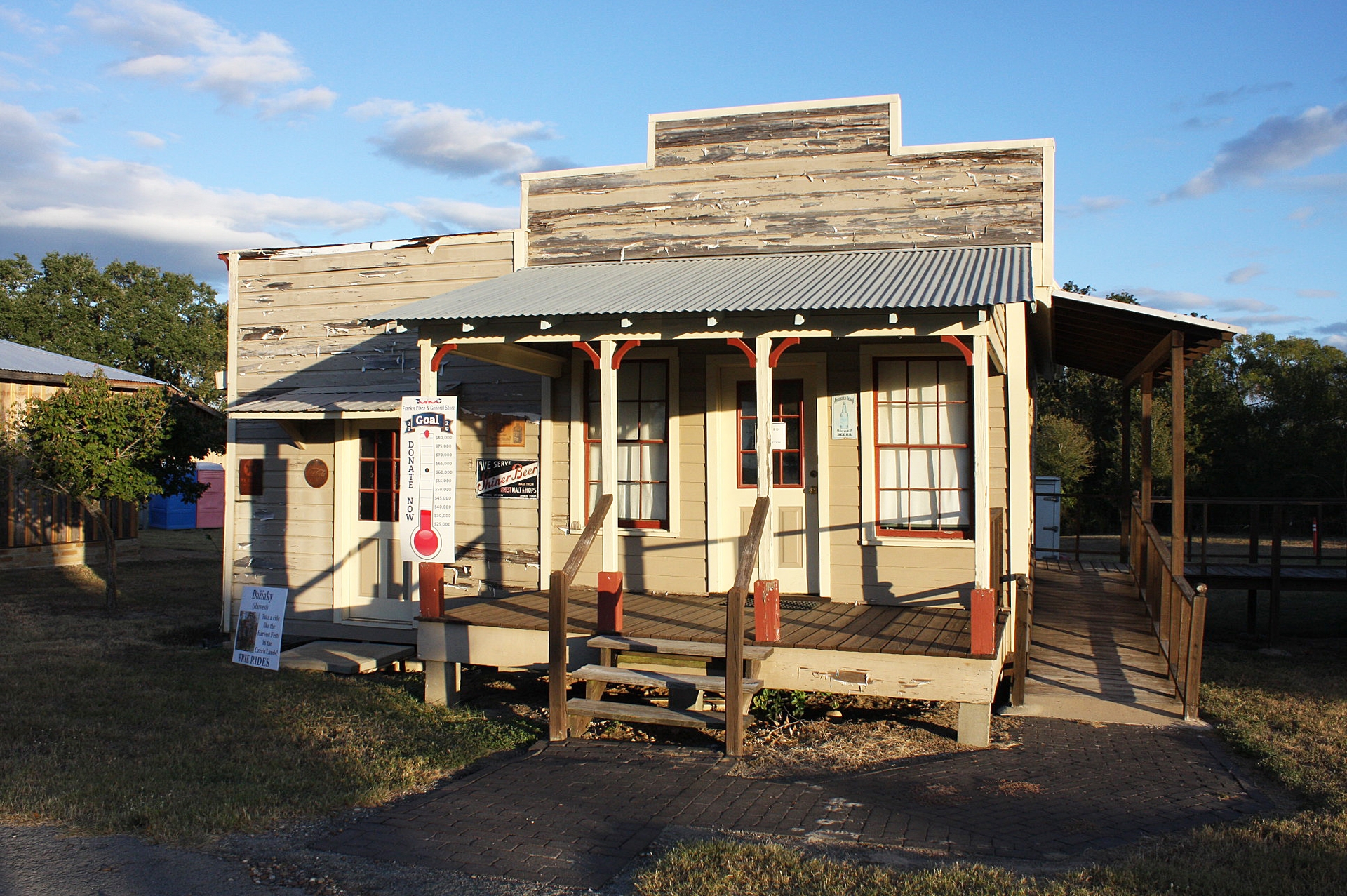
The Hospoda and General Store recreate the bustling social and commercial heart of early Czech villages in Texas. These spaces were vital gathering spots where immigrants shopped for essentials, exchanged news, and nurtured community bonds over food, drink, and conversation.
The general store offered a variety of goods necessary for daily life, while the hospoda, or tavern, was a lively venue for music, dance, and socializing. Together, they formed the vibrant center of village life, fostering a sense of belonging and cultural continuity.
Visitors can imagine the lively atmosphere where neighbors met to share stories, celebrate traditions, and support one another in a new land. The Hospoda and General Store stand as enduring symbols of community spirit and cultural preservation.
Hoelscher House (Polka Lovers Club)
The Hoelscher House is a cherished venue dedicated to celebrating Czech music and dance traditions. Built in the late 1870s and lovingly restored with contributions from the Polka Lovers Club, this historic house serves as a lively hub for cultural preservation and community gatherings.
Inside, visitors find memorabilia, photographs, and musical instruments that tell the story of Czech musical heritage in Texas. The house also features modern additions for meetings and events, blending historic charm with contemporary functionality.
The Hoelscher House is alive with the joyful sounds of polka and folk music, keeping traditions vibrant and connecting generations through the universal language of music.
